Each generation has its share of likes and dislikes, which impact their shopping habits. Millennials are no different. As consumers, they have collectively rejected numerous items that appeal to other generational groups, especially Generation X and baby boomers.
Millennials are turning their backs on things they find too expensive, impractical, or not sustainable, and the effects can be seen in multiple industries. With this shift in consumer spending, the items millennials refuse to invest in may come as a surprise.
Big Weddings

While other generations say yes to expensive wedding gowns and big, elaborate ceremonies and receptions, millennials skip them. They tend to favor smaller, more intimate ceremonies, which has its benefits. Just hearing about weddings that cost $30,000 or a more makes people sick. That money could be used for a down payment on a house, pay off debt, or even get a head start with investments. Millennials are just not buying the hype anymore.
A pared-down wedding ceremony and reception make the event more special to the bridal couple and guests alike. They also cost less and are less wasteful.
Business Attire
Since the global health crisis, remote and hybrid work arrangements have become normal. Millennials who have adopted these schedules find they don’t need to wear formal business attire to work from home. Steve Jobs wore a black T-shirt and jeans, and if he can do it why not many of us. Zuckerberg has a pretty simple attire as well. What does it matter if you wear or suit or a T-shirt and jeans. If you still get the job done than that should be all that counts.
If they’re fully remote workers, they wear casual clothes, and if they have a hybrid schedule, they wear business casual attire for the days they report to work. Business suits have become unnecessary.
Cable Television
Millennials balk at the high cost of cable television, and who can blame them? The price regularly increases, and they end up paying for channels they don’t watch. If you really want to watch a ton of tv, grabbing an antenna from Amazon can give you free TV with better HD.
Instead of being at the mercy of television cable providers, they’re cutting the cord and gravitating to streaming services. They’re cheaper and offer a wider, more personalizable variety of programs.
Casual Dining

One thing about casual dining chain restaurants is their predictability. Their menus don’t change often; you can buy the same meals regardless of location.
Millennials are moving towards more local, independent restaurants because of their variety and improved food quality. This gives them a chance to support smaller businesses over corporate chains.
Cleaning Supplies
Millennials haven’t stopped cleaning their living spaces. They use environmentally sustainable homemade or all-natural products over toxic store-bought cleaning items.
Instead of buying liquid or fabric softener sheets, they purchase reusable fabric softening balls. Homemade whitening agents are replacing corrosive chemicals like bleach.
Cruises
Do you know who goes on cruises now? Boomers do!! My in-laws and all of their friends love cruises because they can hit so many things and enjoy the meals on the ship. Millennials on the other hand are concerned about lowering their carbon footprint and aren’t taking cruises because of the pollution the ships generate. That’s only one reason they’re foregoing cruises.
Cruises have tightly followed schedules when they reach their destined ports. They don’t give travelers enough time to become immersed in the culture they’re visiting.
Diamonds
Many of the world’s natural diamonds are mined in countries with unstable political systems. Some millennials don’t want to be associated with gemstones resulting from cruel, inhumane mining practices.
Others prefer unique jewelry pieces made from stones other than diamonds. Another driver of the disinterest in diamonds is affordability. Who has the disposable income to spend thousands of dollars on diamond jewelry?
Single-Use Products
Millennials understand the negative human impact on the environment, and they’re doing their share to save the planet. One step they’re taking is not buying single-use products.
Reusable steel cups and refillable bottles replace disposable plastic and paper cups, which are preferred over single-use bottles. Cloth napkins and shop towels are used instead of paper napkins and paper towels.
Extra Electronics
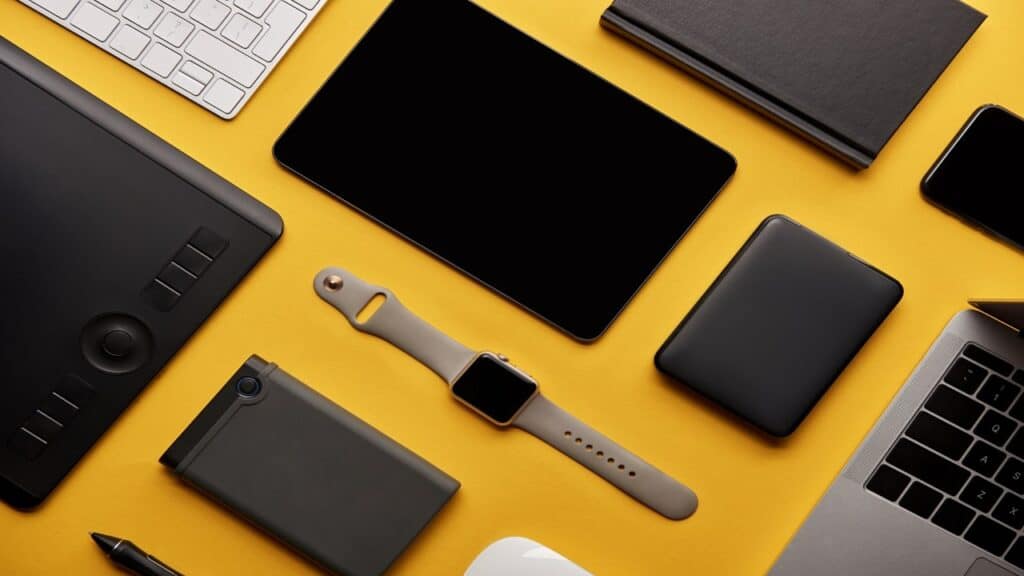
Millennials are avid smartphone users like most adults (and even many kids). They rely on their devices so much that they’ve rendered other electronics nearly obsolete.
They use their smartphones instead of separate alarm clocks, GPS devices, landlines, and calculators, which have become unnecessary since phones serve all of those purposes.
Hotel and Motel Stays

Booking hotel stays may work for other generations, but millennials love temporary housing rentals like Vrbo and Airbnb. Short-term housing rentals are more private than hotels and motels.
These short-term rentals are also more spacious than hotels and motels, so while two people can comfortably stay in a hotel or motel, entire families or groups can stay in a single house.
Houses

Many millennials aspire to become homeowners in their working years, but they’re not buying houses as early as prior generations have. They delay homeownership until they’ve achieved financial stability, but others have a more depressing reason.
They’re not buying houses because they can’t afford to buy one. Home prices have gone through the roof since 2019, and until they level off or start to fall, millennials will continue to find themselves priced out of the market.
New Cars

Just like home prices increased over the last five years, the prices of new cars have also risen to the point of being difficult to afford. Even used cars have gone up in price.
Fortunately, new car costs are gradually falling, just not quickly. They may become more competitively priced in the future, but for the time being, millennials are taking a pass.
New Clothes

Buying brand-new clothing is becoming an outdated shopping practice among millennials. Thrifting is now the preferred method of purchasing clothes.
Gently used clothes are less expensive and more sustainable than fast fashion and other newly made garments. New clothing items are sometimes donated to thrift shops and sold for a fraction of the original price.
Souvenirs

When Gen Xers and baby boomers go on vacation, they like to pick up souvenirs to remember their trip. They keep some souvenirs for themselves and give them to family and friends.
Millennials prefer to commemorate their vacation experiences by taking pictures and filming videos. They can easily share their recorded memories on social media, which will last longer than a trinket.

Steve Cummings is a journalist, personal finance creator that has specialized in saving and investing into ETFs. Steve founded Budgets Make Cents, and has been known for his personal finance advice and his passion for sports.